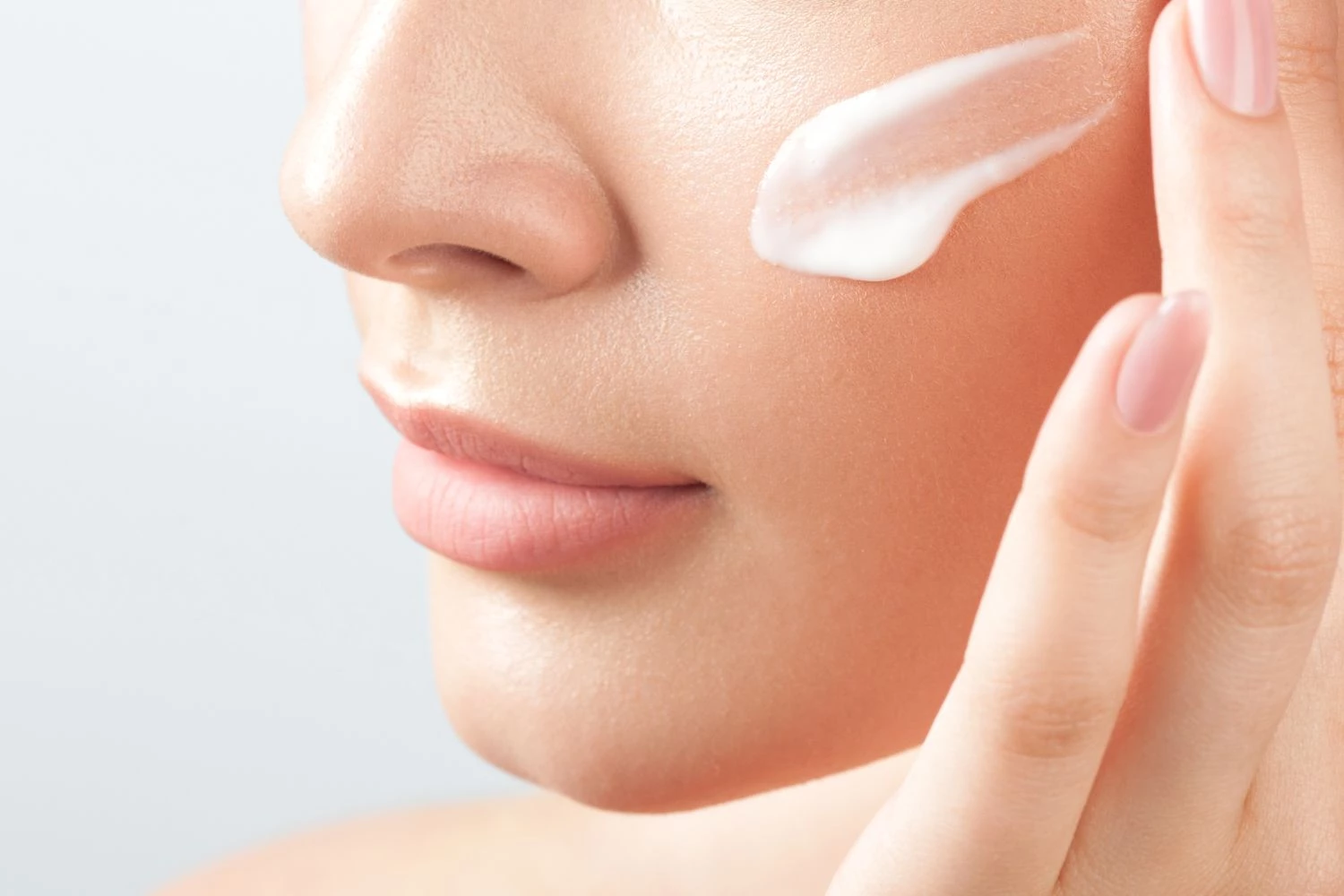
Do you sometimes experience itching and burning sensations on your skin? Do you notice the appearance of rashes or tingling after applying a cosmetic product? You may have sensitive skin.
Find out how to apply a skincare mask specially designed for sensitive and reactive skin.
How do you know if you have sensitive skin?
Sensitive skin is characterised by its reaction to cosmetic products and environmental conditions. It can be prone to reactions such as the appearance of redness, irritation or chapping on the skin of the face, neck and chest. The factors may be the use of ingredients in the composition of cosmetics, such as a cream, foundation or powder, which the skin absorbs and causes a reaction similar to that of an allergy. Sensitive skin is particularly affected by the environment, such as exposure to pollution, sudden changes in temperature and humidity, all of which cause irritation. If you have persistent skin problems, it is advisable to consult a dermatologist for professional advice. In fact, it’s important to take care of your sensitive skin by avoiding harsh or irritating products and using gentle, moisturising products that are specially formulated for sensitive skin to relieve these feelings of discomfort. Discover our advice on how to quickly relieve your sensitive skin.
Why use a mask for sensitive skin?
To quickly relieve the feeling of tightness, burning or tingling in your skin, you can use a face mask specially designed for sensitive skin. In cosmetics, a mask is a skincare product that is generally used to help improve the appearance and texture of the skin. Masks can be formulated to address a variety of skin problems, such as acne, dryness, discolouration or the appearance of fine lines associated with mature skin. Because of their rich composition, masks are designed to help nourish and respond to a specific need in the skin, while acting in depth. That’s why we recommend using a sensitive skin mask formulated with hyaluronic acid (whose role is to keep the skin hydrated and prevent dehydration), chamomile (renowned for its soothing and anti-inflammatory properties) or Cebeline to speed up skin regeneration and calm the skin, which can help reduce redness and inflammation.
How do I use a special skin care product for sensitive skin?
Using a mask for sensitive skin is part of a skincare routine. In fact, the mask can be used once or twice a week to help improve the appearance and health of your skin. To do this, start by cleansing your skin with a make-up remover or cleansing milk containing sweet almond oil to help preserve your skin’s lipid barrier and provide a solution. Depending on your current routine, you can also apply a toner to help restore your skin’s pH balance. Next, apply your sensitive skin mask thickly and evenly over your face. Leave it on for a deep-down effect. This is the perfect time to take some time out to look after yourself and relax! Finally, once the application time is over, remove any excess product and moisturise your skin to prolong the effects of the sensitive skin treatment. To do this, choose a moisturising cream that is fragrance-free and non-comedogenic, to limit irritation and skin eruptions. Apply it with gentle massaging movements to allow the product to penetrate deep into the skin.
So if you don’t want to feel any more discomfort from the vagaries of sensitive skin, you need to improve your beauty routine and adapt it to your skin’s specific needs. See also our skin care products for dehydrated skin.
First published on cebelia.paris
Our Recommendations
-
 Extreme Care$76.90
 -
 Cleansing Milk$39.90
 -
 Soothing Milk$62.90

NEWSLETTER
Subscribe to our newsletter and be informed of the latest news, recommendations and offers!